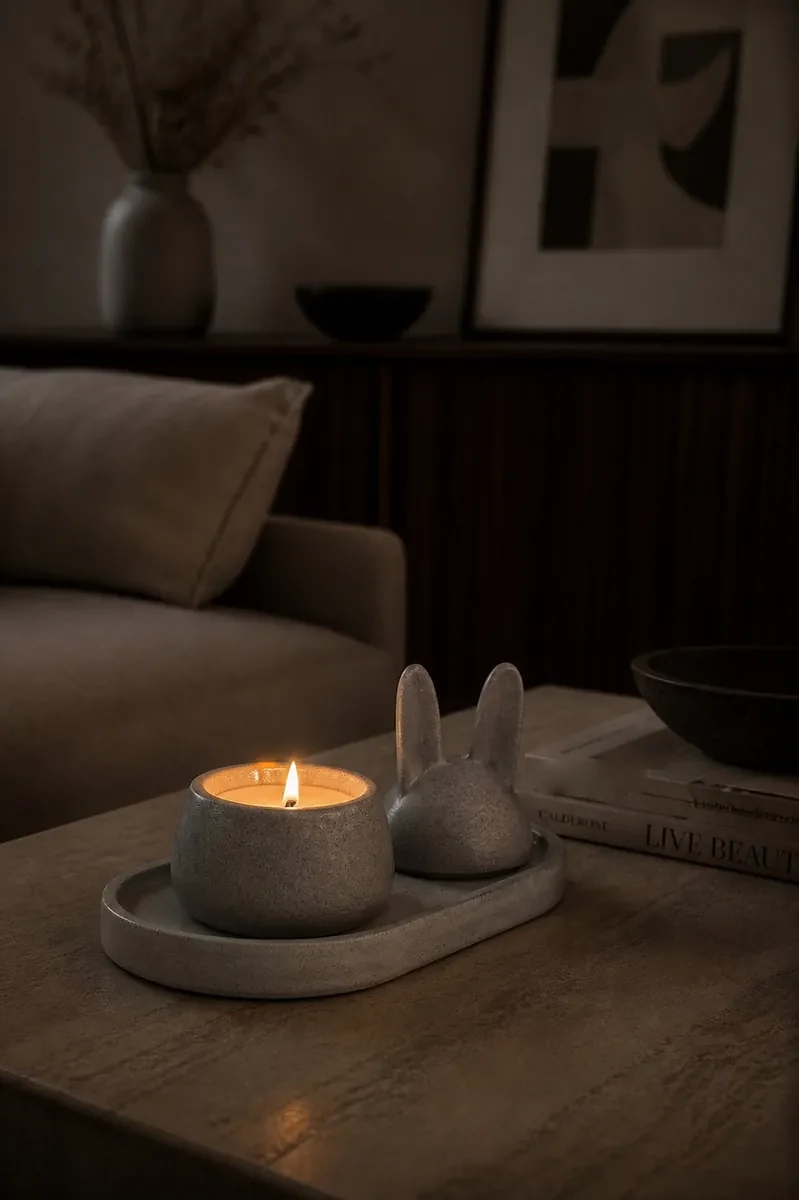
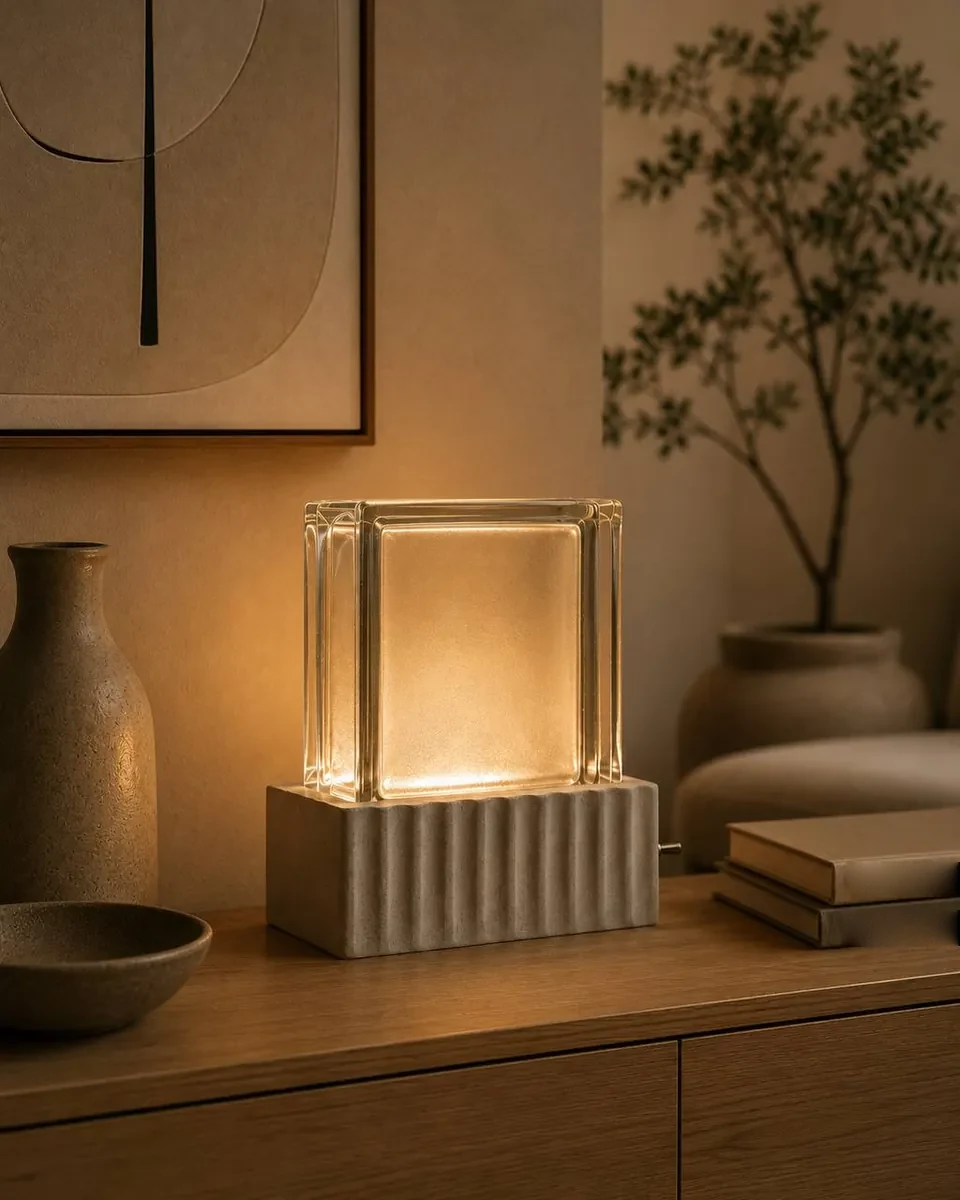
Dried flowers last for years: no water, no wilting, no fuss. But a dried bouquet has one condition, the right vase. It decides whether the arrangement looks composed or accidental.
Why dried flowers are for the long haul
A fresh bouquet gives you a week; a dried one gives you years. Bunny tails, gypsophila, honesty (lunaria), wheat ears and preserved eucalyptus keep their shape and colour through the seasons, and look calm and graphic while they do it. That is why dried botanicals have settled so well into minimalist and Scandinavian interiors: they add natural texture without adding chores.
There is a practical side too. Dried flowers need no water, so a vase for them is chosen by different rules than a vase for fresh stems, and that opens up some interesting options.
What makes a good vase for dried flowers
A narrow neck. Dried stems are light and stiff. In a wide vase they fan out and tip over. A narrow neck or tube gathers the bouquet into a tidy bunch and holds it where you put it.
Stability. A dried bouquet weighs next to nothing, but it catches a lot of air: a fluffy gypsophila spray picks up every draught. A light vase with such a bouquet will topple from an open window. You need weight in the base.
Opacity. In a glass vase you see everything below the neck, and dried stems look untidy down there. An opaque material shows only the good part of the arrangement.
A form that stands on its own. Sooner or later you will want to change a dried arrangement or take it away. A good vase is interesting empty: a geometric shape works as an object on its own on the shelf.
Why concrete and dried flowers make a perfect pair
Put the requirements from the previous section together and you have described a concrete vase. See for yourself.
Weight and stability. A handmade concrete vase weighs 350–450 g (12–16 oz) at a compact size, so even the fullest dried bouquet will not tip it.
Texture. The matte, mineral surface of concrete and dried botanicals are materials of the same nature. Rough stone and a dried stem rhyme without any effort from the stylist.
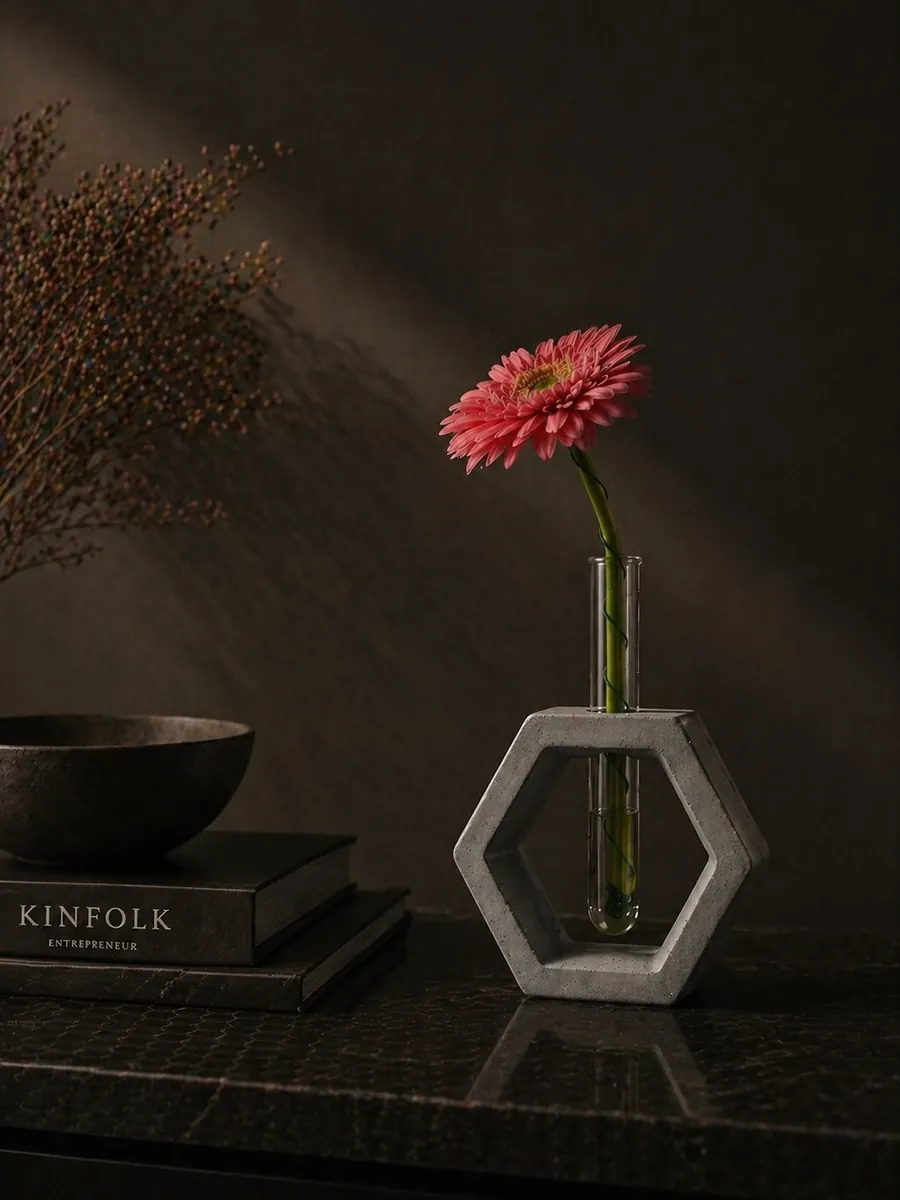
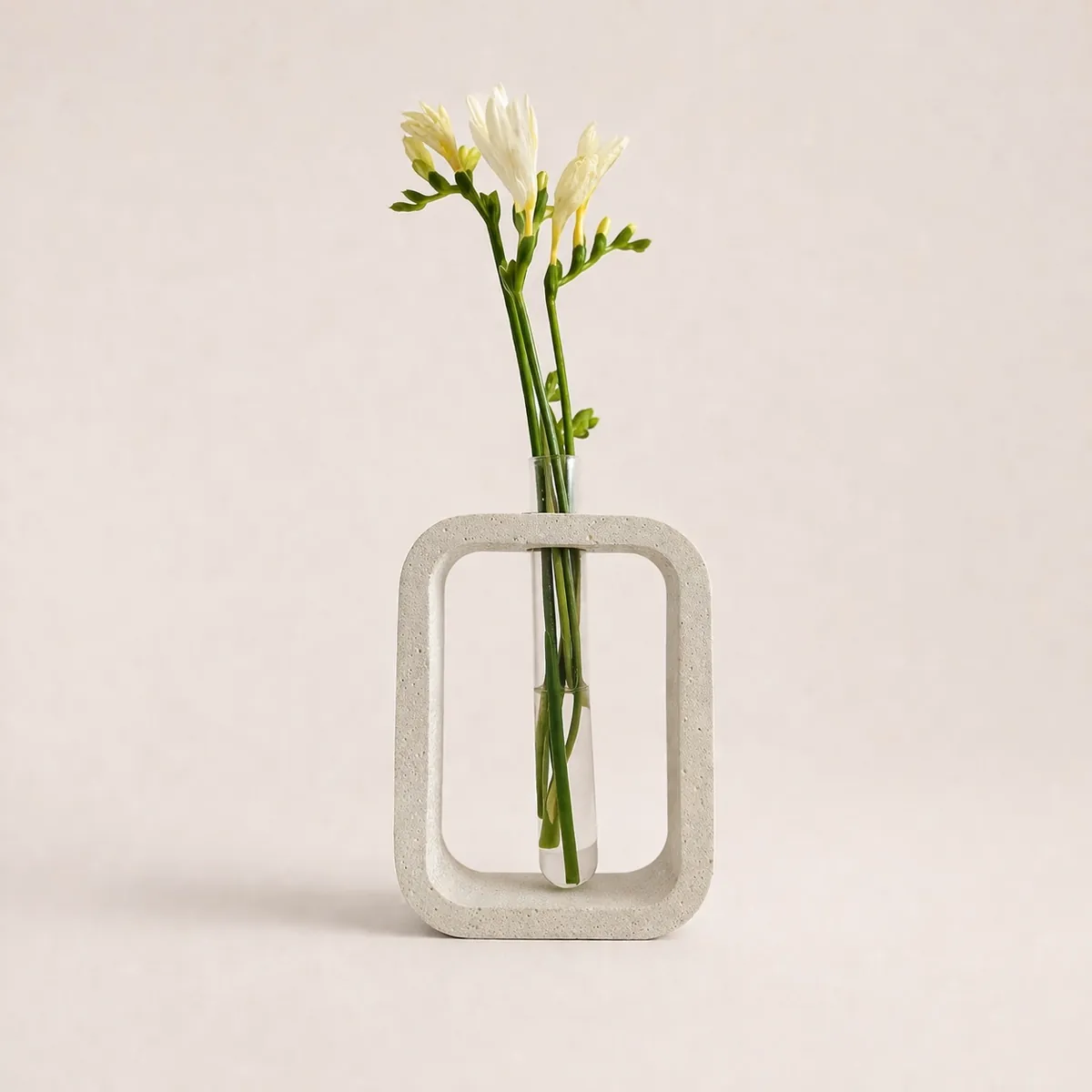
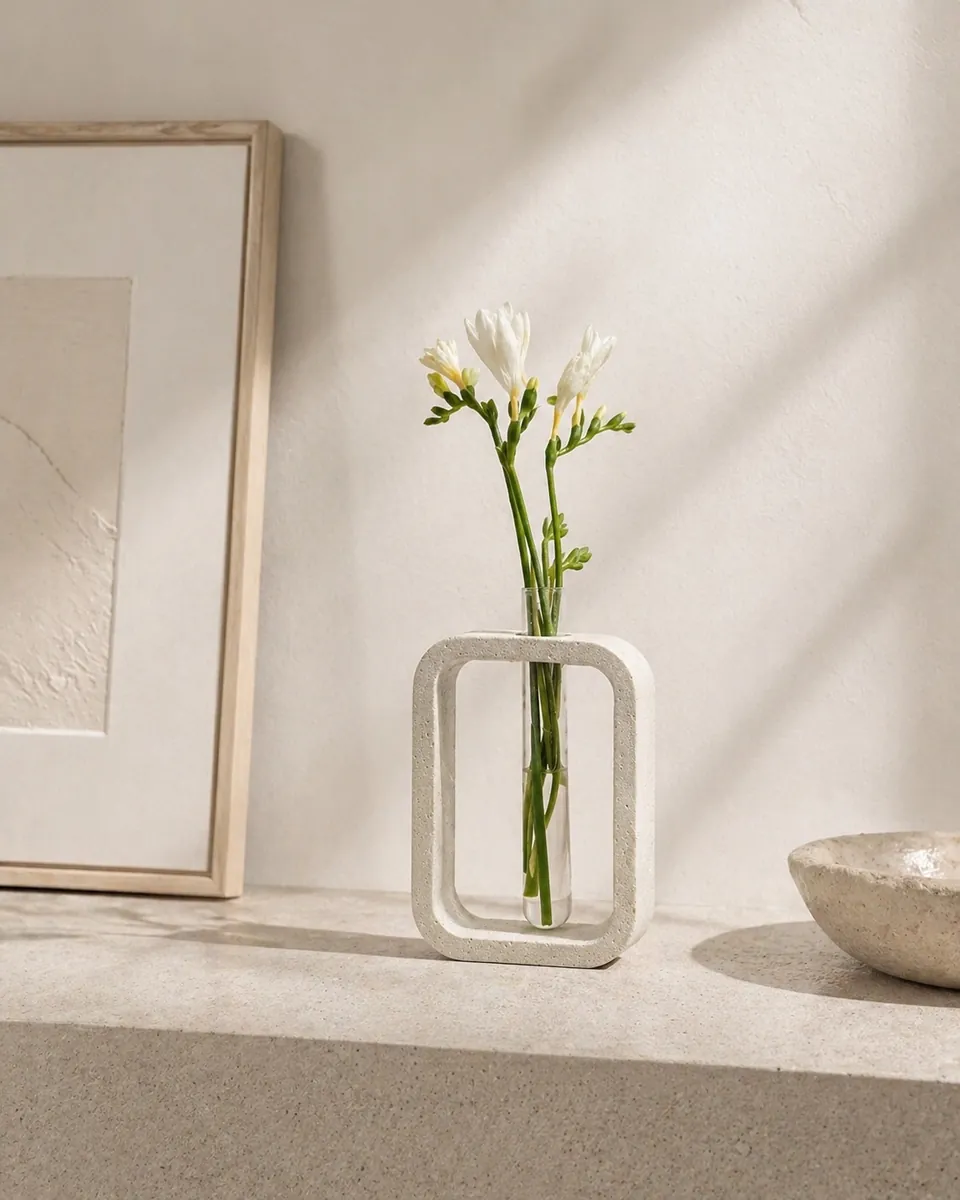
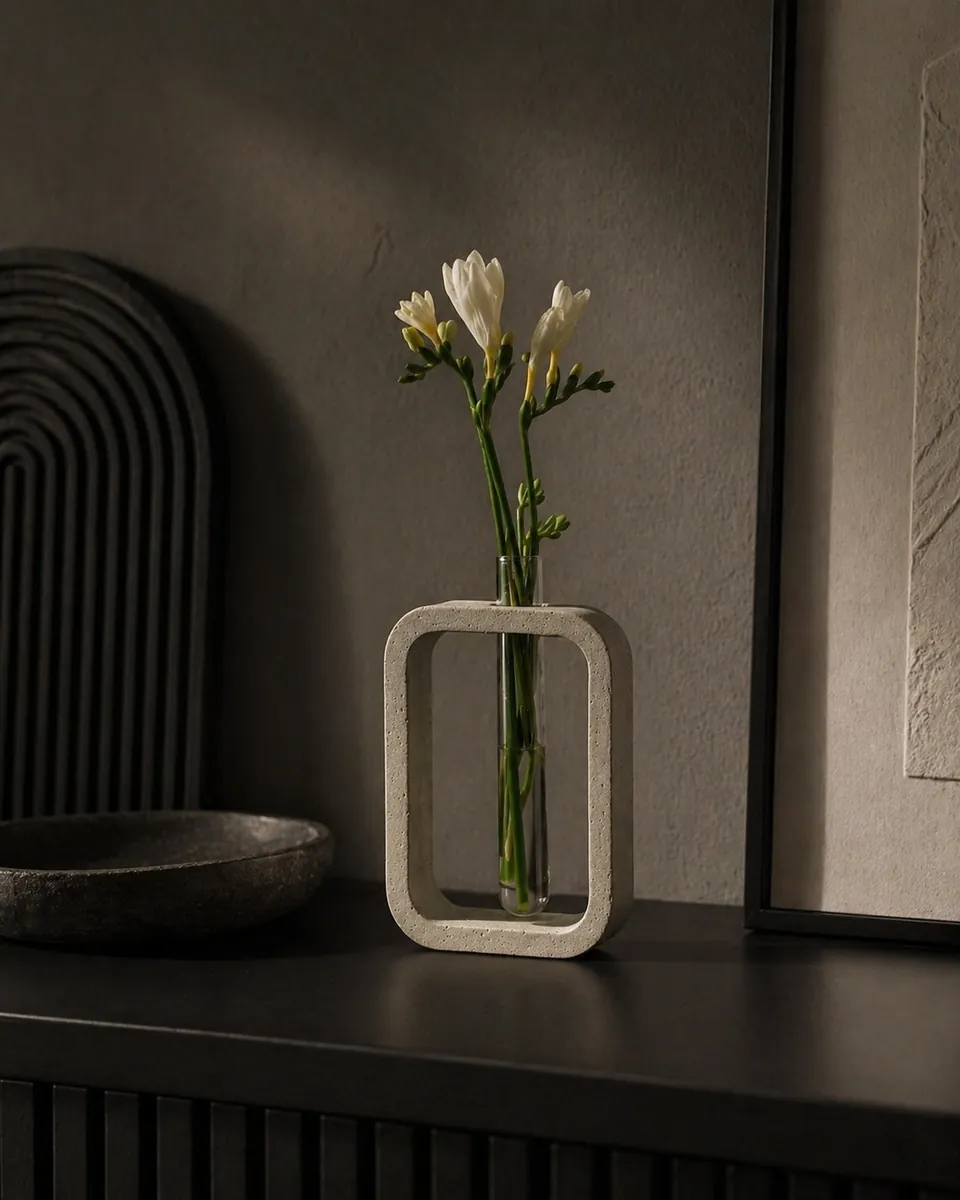
Geometry. A strict shape, whether hexagon, oval or rectangle, contrasts with the painterly “chaos” of a bouquet. That contrast is the composition: order below, freedom above.
An acrylic tube inside. In our vases the stems stand in a removable acrylic test-tube insert; it works equally well for dried flowers and for water. For a dried bouquet the tube simply holds the bunch, and if you fancy a single fresh flower, fill the tube with water: the concrete never touches it. One vase, two uses.
How to compose a bouquet: five rules
- An odd number of stems. Three, five or seven: odd groups look more natural than symmetrical pairs.
- Bouquet height of one and a half to two times the vase. Shorter and the arrangement looks cropped; taller and it loses stability and balance.
- No more than two or three textures. For example wheat ears with gypsophila, or bunny tails with eucalyptus and honesty. Any more and you have a sheaf, not a composition.
- Monochrome, or one accent. A quiet range of sand and cream is the base; a single coloured stem is an event. Everything coloured at once is noise.
- Leave some air. Do not cram the tube full: the space between the stems is part of the composition, like the margins of a good photograph.
The simplest arrangement you cannot get wrong: one expressive stem, such as an eucalyptus branch, a honesty stalk or a large ear of wheat, in a narrow vase. Minimalism forgives everything except overload.
Where to put it and how to look after it
Light. Dried flowers fade in direct sun: in a single season a sandy shade turns a washed-out grey. A shelf, console or table in the depth of the room suits them better than a south-facing windowsill.
Dust. Do not wash a dried bouquet with water; it will lose its shape. Once a month, run a hairdryer on its coolest, lowest setting over it, or use a soft wide brush.
The vase. Concrete is easy: wipe it with a soft damp cloth, no abrasives. The protective coating keeps the surface from staining and soaking things up.
A dried bouquet in the right vase is an arrangement you make once and enjoy for years. All that is left is to pick a shape: the vase catalogue has a hexagon, an oval and a rectangle in stock, each with a tube inside. If you need a different shade of concrete for your interior, we can make it to order; the palette has six standard colours.
And if you are only starting to build a concrete collection, take a look at our guide, How to choose architectural concrete décor.
Featured in this article
See the full collection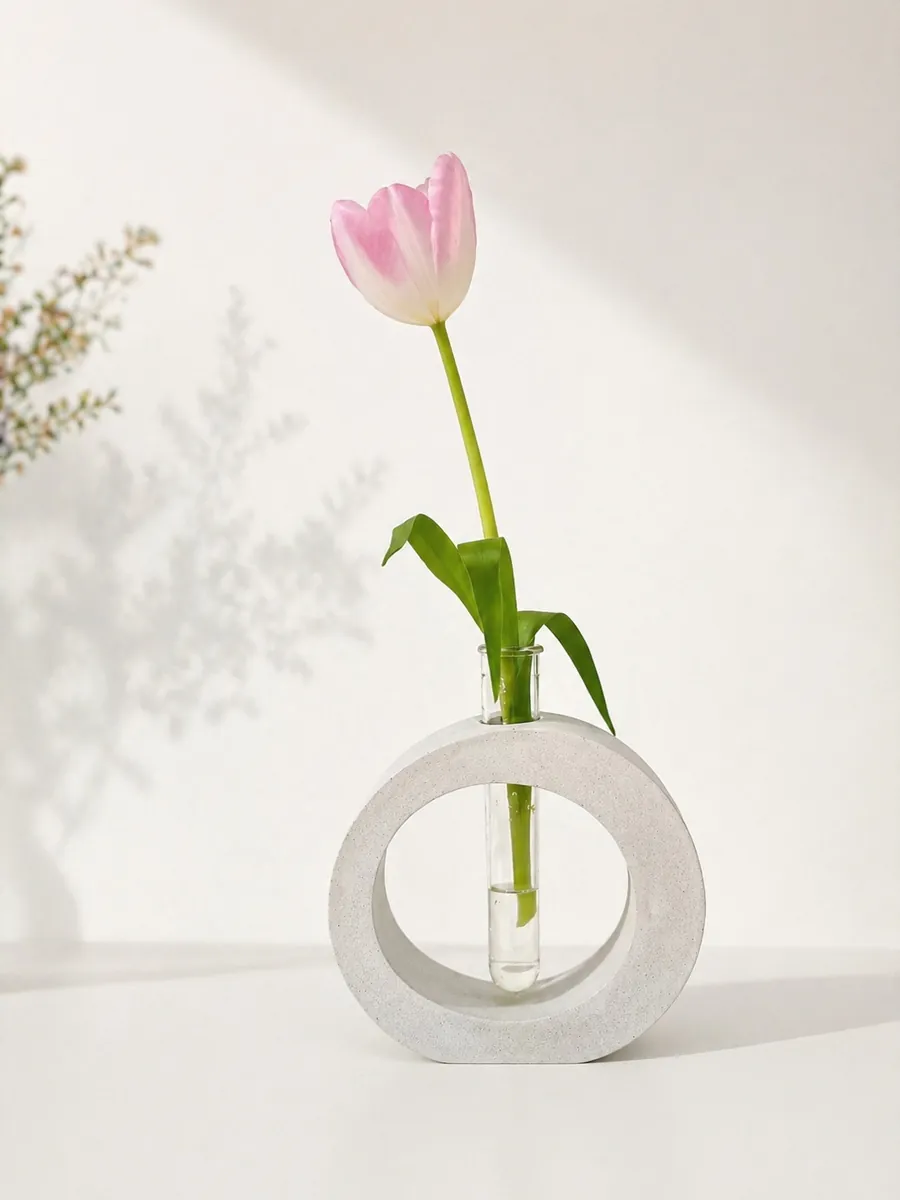
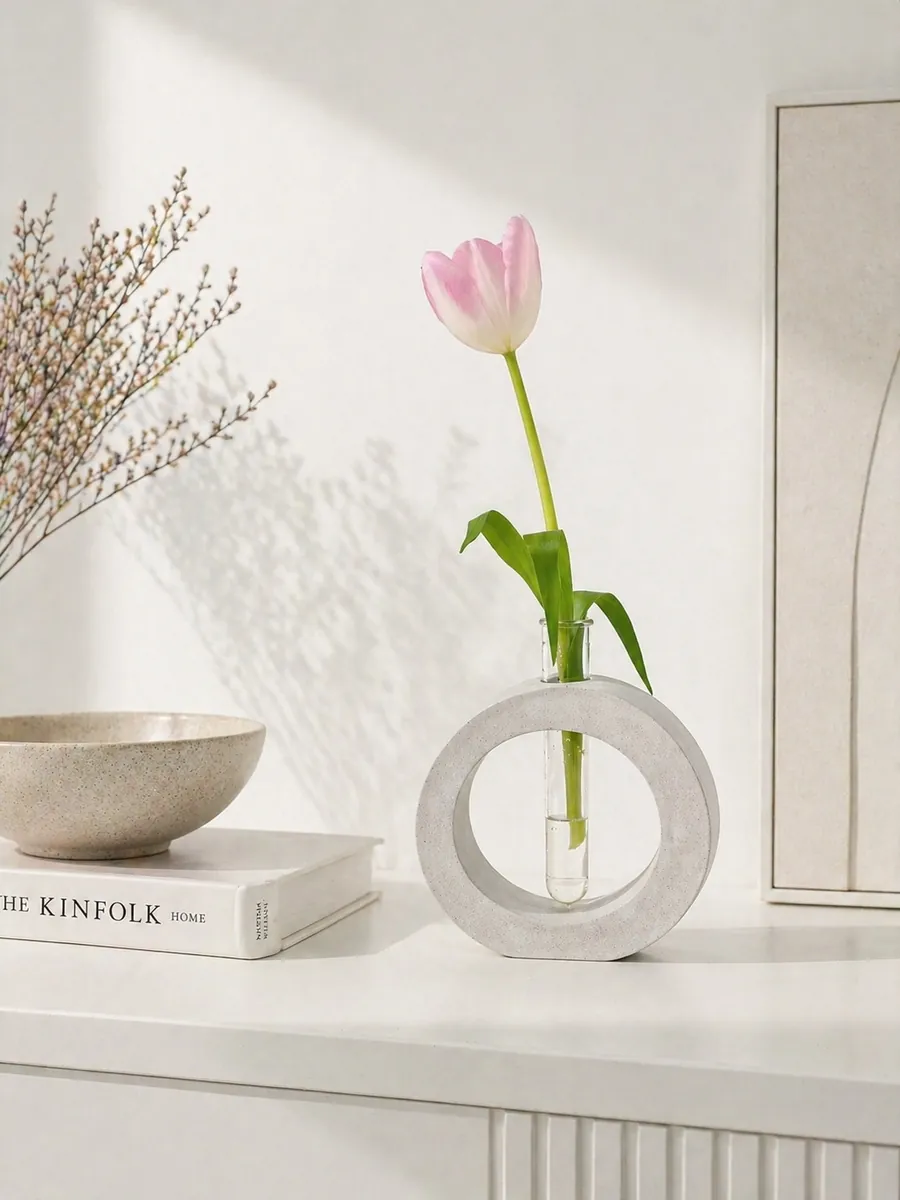
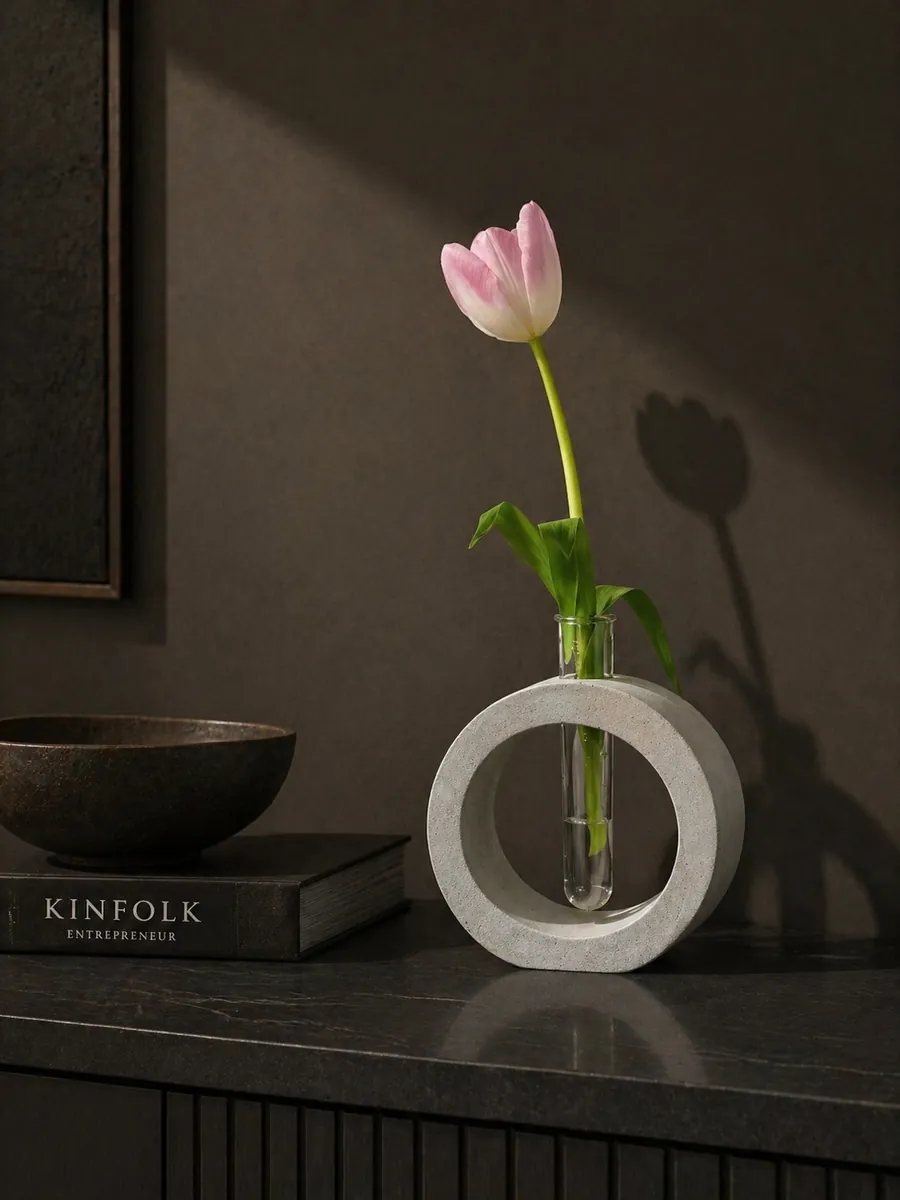
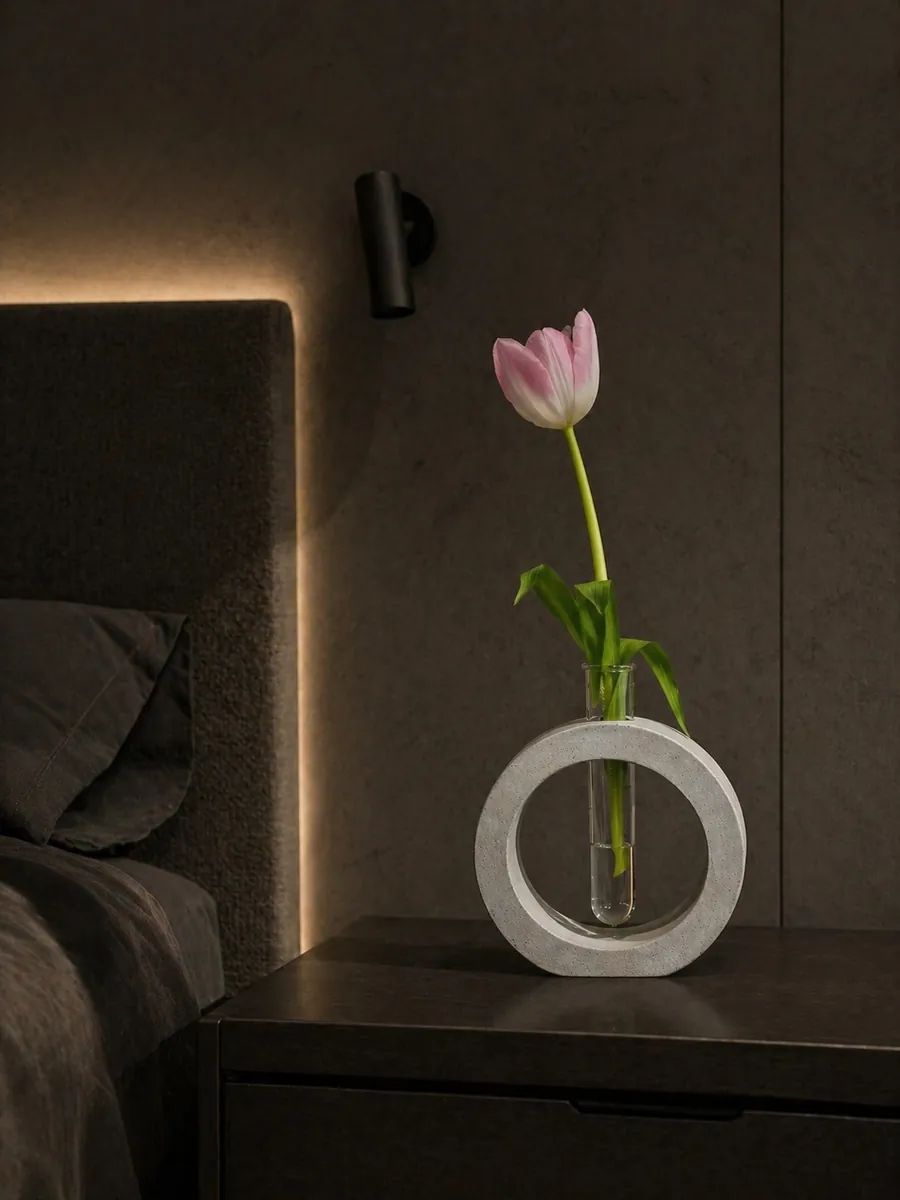
Oval Vase
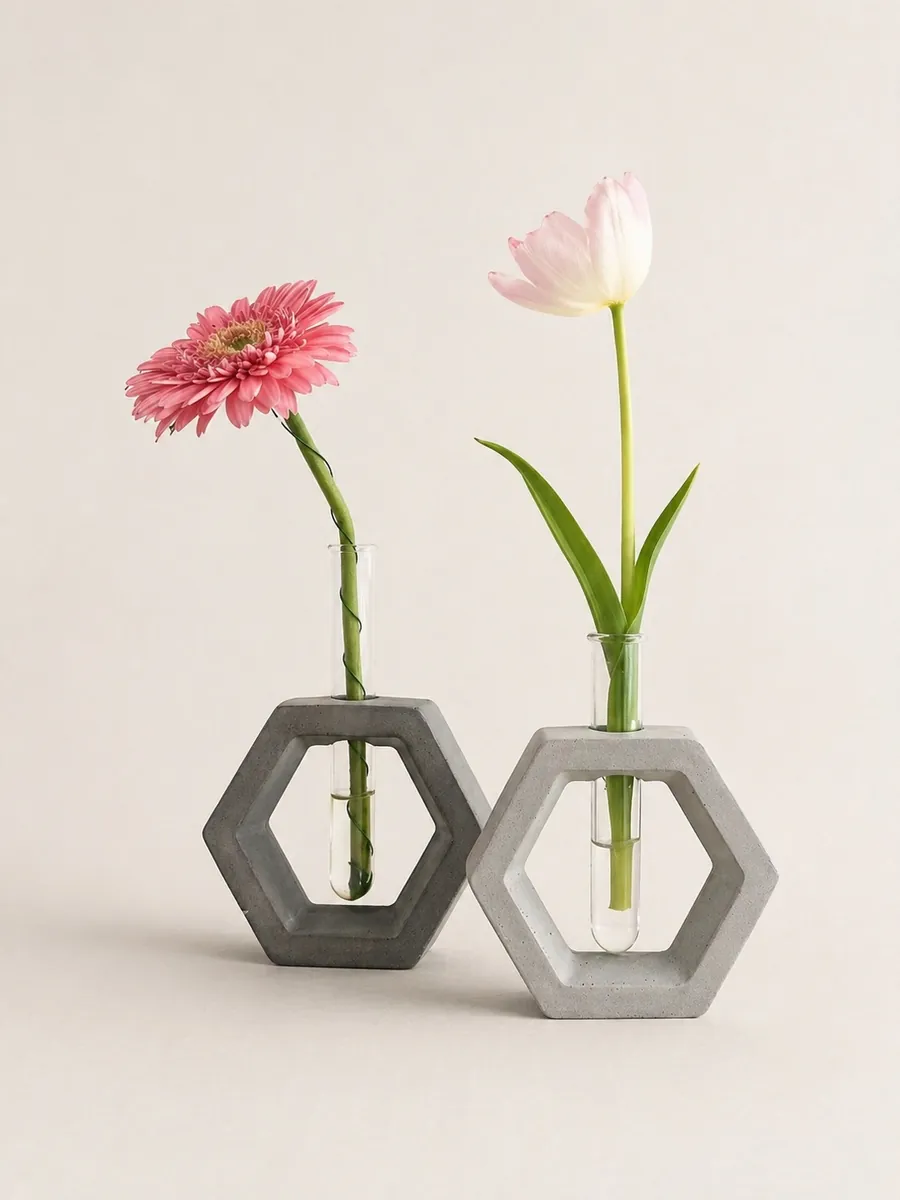
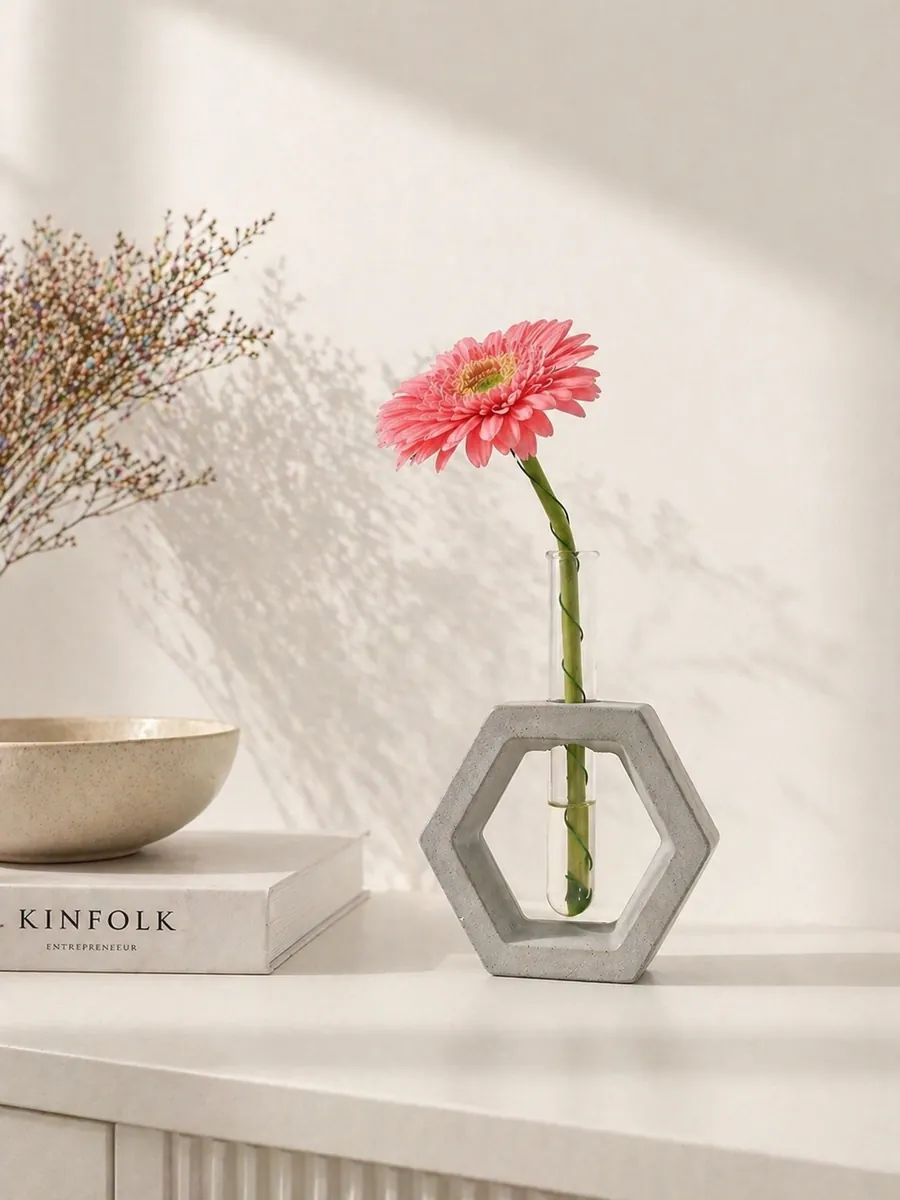
Hexagon Vase
Rectangle Vase