If you want to refresh your interior and are tired of identical mass-market pieces, architectural concrete may be exactly what you have been looking for. The material is raw and delicate at once: it gives a space character without making any noise.
What architectural concrete is, and why it is trending
Architectural concrete is not what bridges are built from. It is a lightweight material with additives that allows thin-walled, light pieces with a precisely controlled texture. To the touch it is like honed stone. In weight it is lighter than it looks.
The main difference from plaster or gypsum is durability: concrete pieces do not crumble in humid air, and with time they only “mature”. Natural micro-variations in the texture give every piece its own character, which is why two candle holders of the same shape will never be quite identical.
Interest in concrete décor is growing alongside interest in materiality and handwork. Next to plastic and laminate that imitates concrete, real architectural concrete looks and feels different.
Types of concrete décor
In interiors, concrete most often appears as candle holders, vases and lamps. Each does a different job.
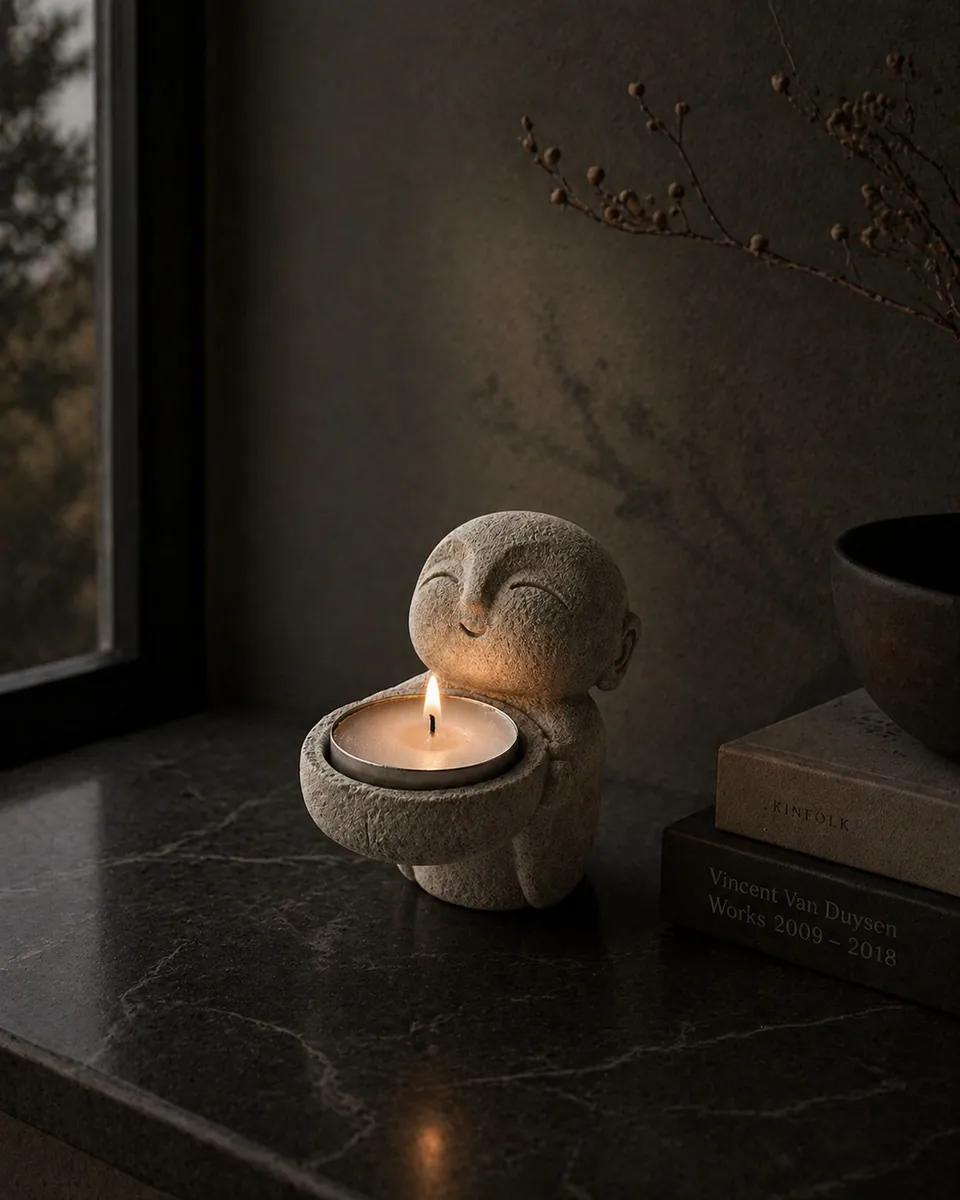
Candle holders and candle bowls are the most popular format. Warm light on a rough concrete surface creates the cosy effect that Scandinavian interiors are known for. They look good alone or as a group of three different shapes.
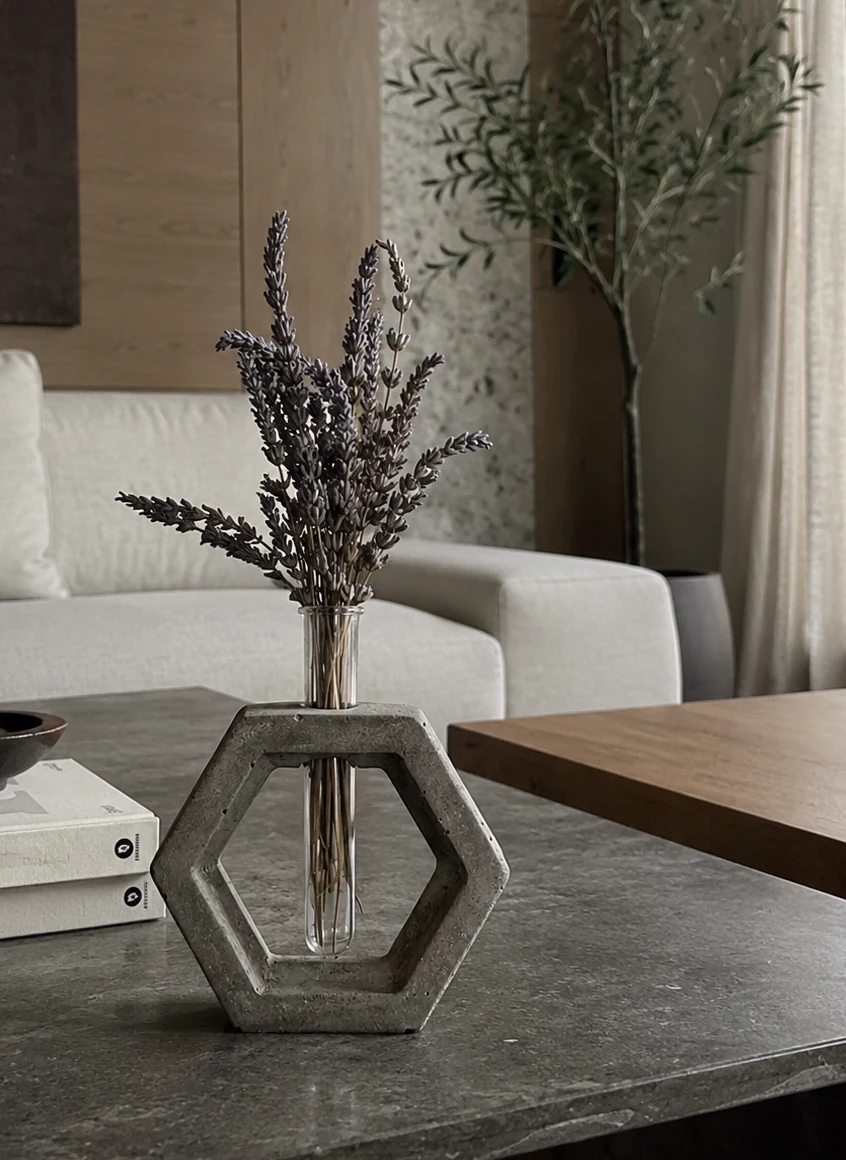
Vases. A concrete vase is complete without flowers; its shape is already an art object. Popular forms are the cylinder, the hemisphere and the faceted polyhedron. Style it with branches, dried flowers or nothing at all. We covered how to build a dried bouquet in Choosing a vase for dried flowers.
Lamps. A concrete table lamp combines function with a visual accent. It becomes a focal point on a shelf, a dresser or a bedside table.
Art objects are figures, sculptural volumes and decorative elements. Here concrete is used as a canvas: the form sets the mood.
Matching concrete to your interior style
Concrete is a universal material, but there are nuances to pairing it with each style.
Minimalist and Scandinavian. Concrete is at home here. Choose neutral shades (warm white, smoky grey) and smooth or lightly textured surfaces with no extra detail. The simpler the form, the more organic it feels.
Loft and industrial. You can be bolder: textured concrete with visible pores, darker shades, larger forms. Concrete reinforces the raw feel of the space.
Japandi (Japanese-Scandinavian). Asymmetric forms, a matte finish, natural tones. A concrete vase or candle holder becomes the anchor of the whole shelf: everything unnecessary goes, and one object sets the accent.
Modern classic. Concrete pairs well with wood and living plants. The key is restraint: one or two concrete objects in a room are more convincing than five.
The one-material principle: if you group several concrete pieces together, vary the shape and height but keep a single colour and type of finish. It gives you a considered shelf rather than a random collection.
What to look for when you buy
When choosing a particular piece, a few parameters decide how it will live in your home.
Finish. A matte lacquer protects the surface and wipes clean, a good choice for things you use regularly, such as candle holders and vases. A semi-gloss gives a soft sheen and a sense of a “living” material. Uncoated concrete “breathes” and looks completely natural, but needs a little more care.
Weight. For small pieces such as candle holders and vases, 200–500 g (7–18 oz) is normal. Lamps are heavier: 2–3 kg (about 4.5–6.5 lb) is a good sign, because the piece is stable and will not tip over by accident. If a piece feels too light for its size, it may be plaster or an imitation.
Size relative to the space. Concrete décor wins on proportion. An object that is too small gets lost on a large shelf. Before buying, measure the spot and compare it with the dimensions of the piece.
Handmade or factory-made. No two handmade pieces are quite the same: small differences in texture and tone are a feature, not a defect. That is what makes an object truly yours.
Caring for concrete pieces
Concrete décor is undemanding. A few simple rules will keep it looking good for years.
- Wipe with a dry or slightly damp cloth. No abrasives and no harsh chemicals.
- Avoid prolonged contact with water. Pieces with wooden parts and some types of coating do not like long soaking.
- Protect from knocks. Concrete is strong, but a sharp corner can chip if it is dropped.
- Candles in candle holders. Use paraffin or wax candles of a suitable diameter. Remove leftover wax with a soft spatula once it has cooled.
If a piece stands on a wooden surface, put a felt pad under it: concrete can scratch wood.
Architectural concrete décor is a choice for durability and character. These are not things you throw away after a season: they become part of the space and fit the interior better with time.
If you are interested in a particular format, browse the catalogue, which has candles, vases and lamps in stock. If you need something for your own project, write to us: here is how to order.
Featured in this article
See the full collection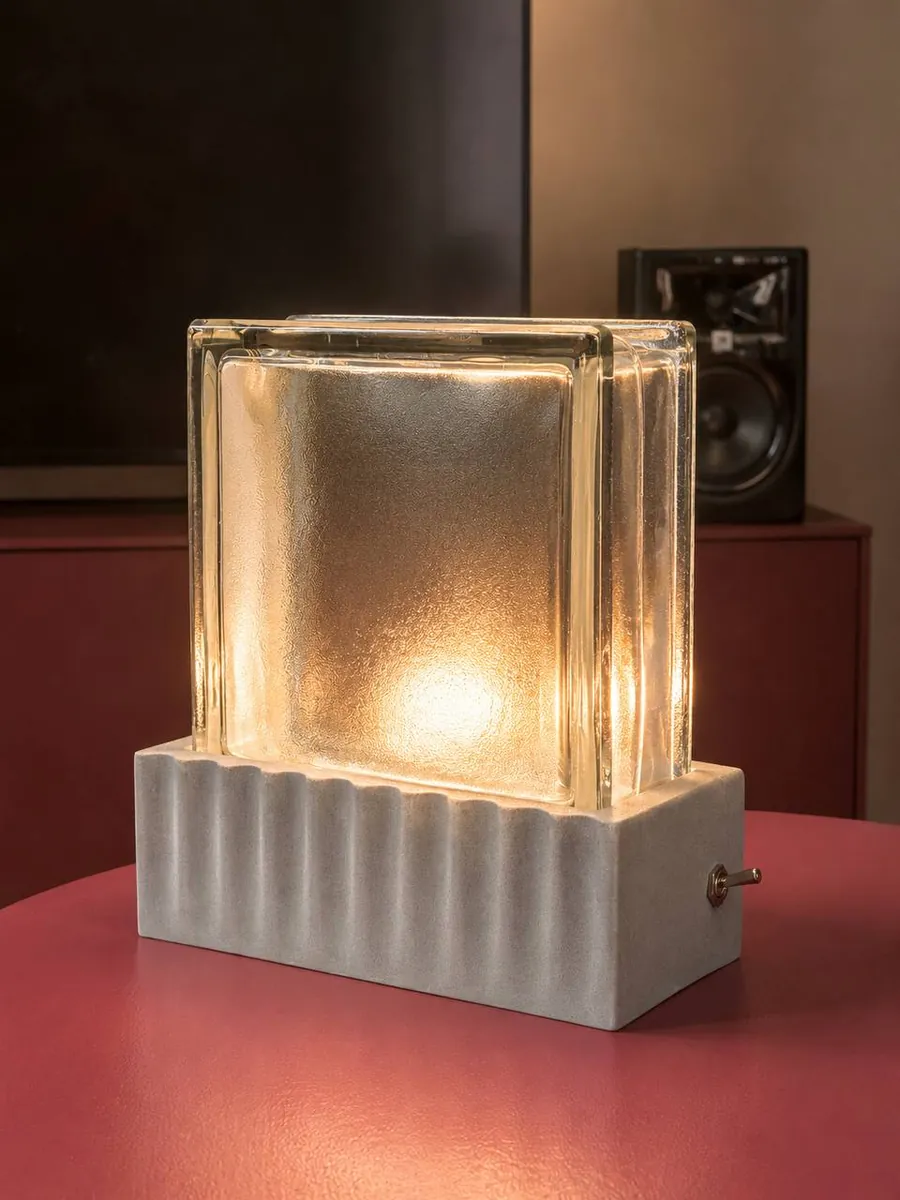
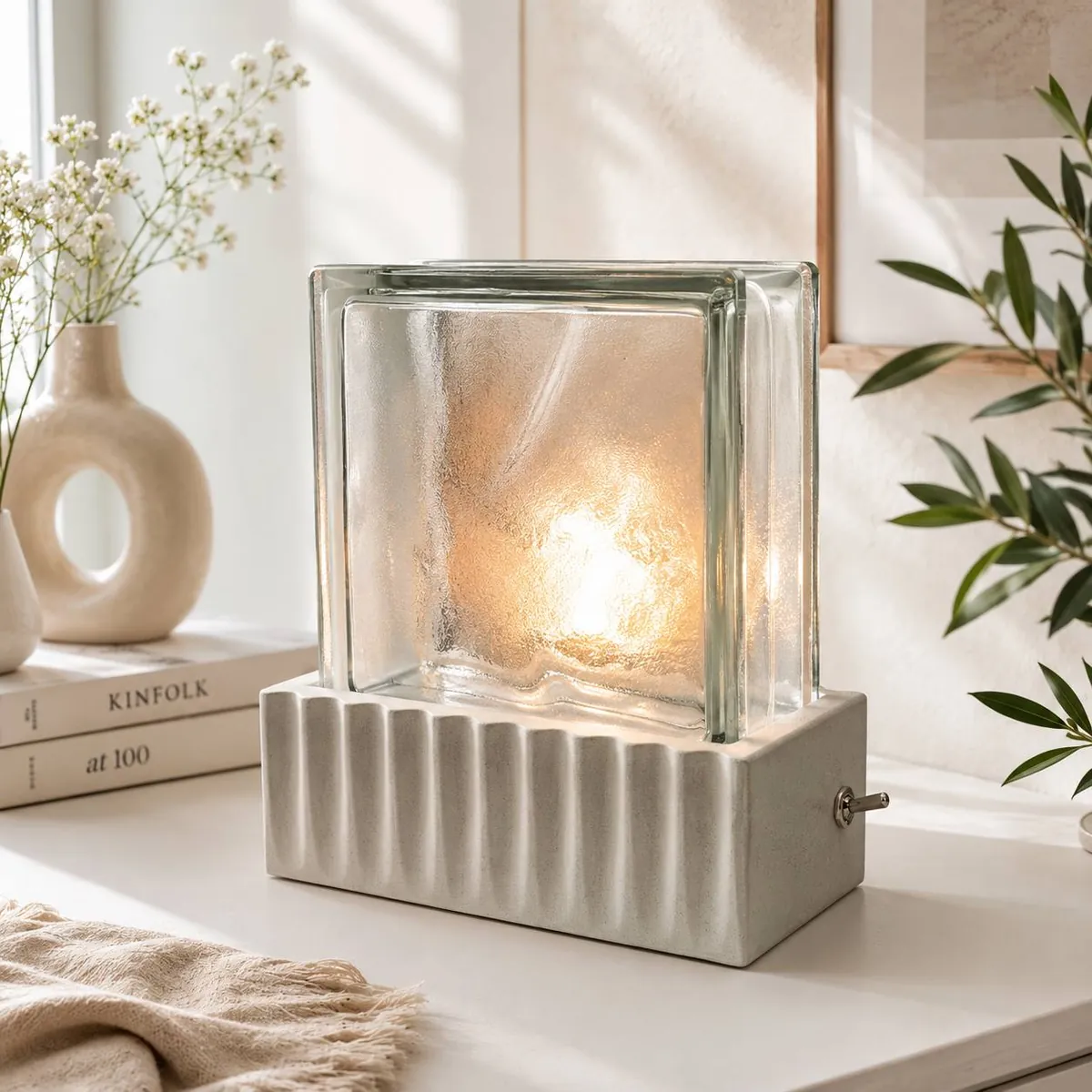
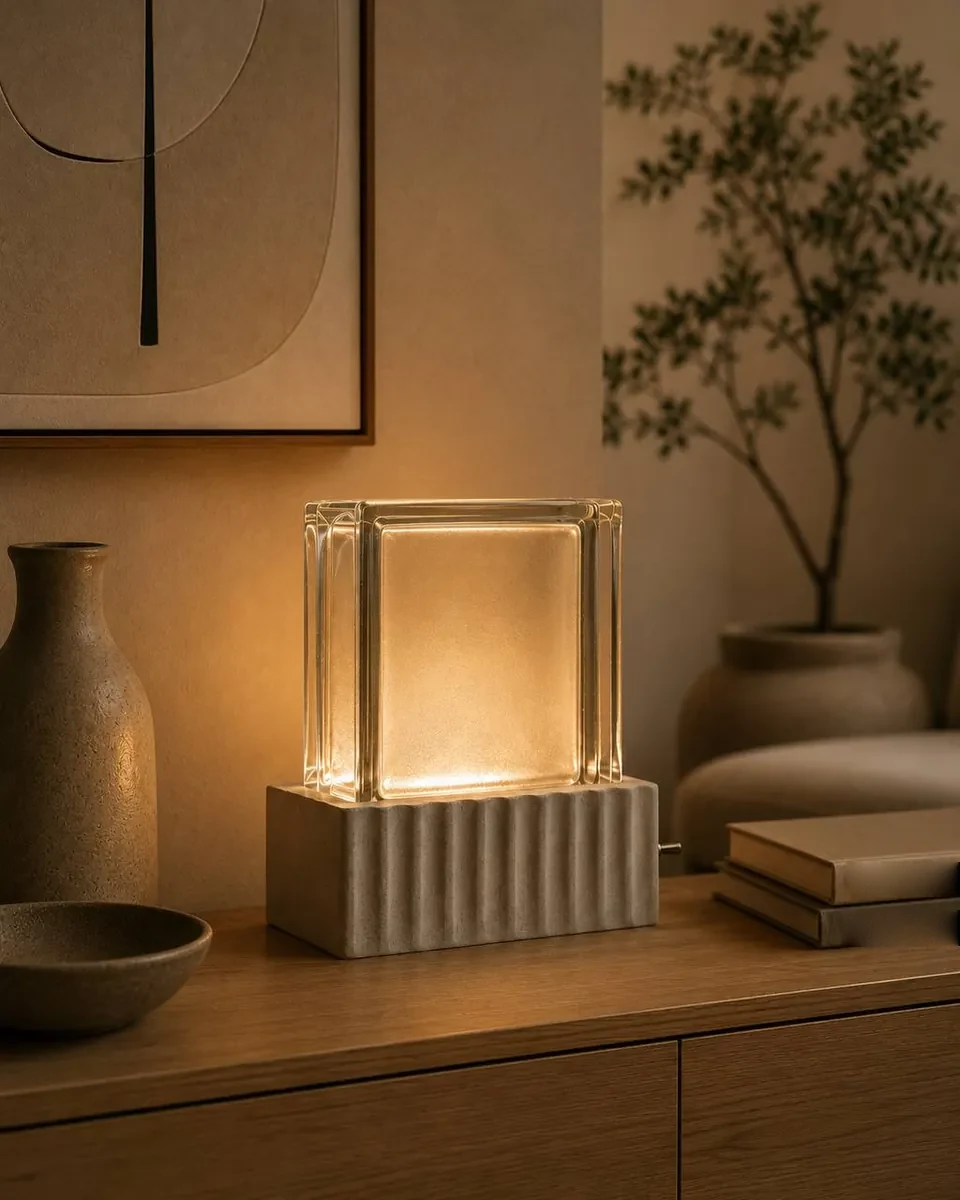
Wave Lamp (eucalyptus)
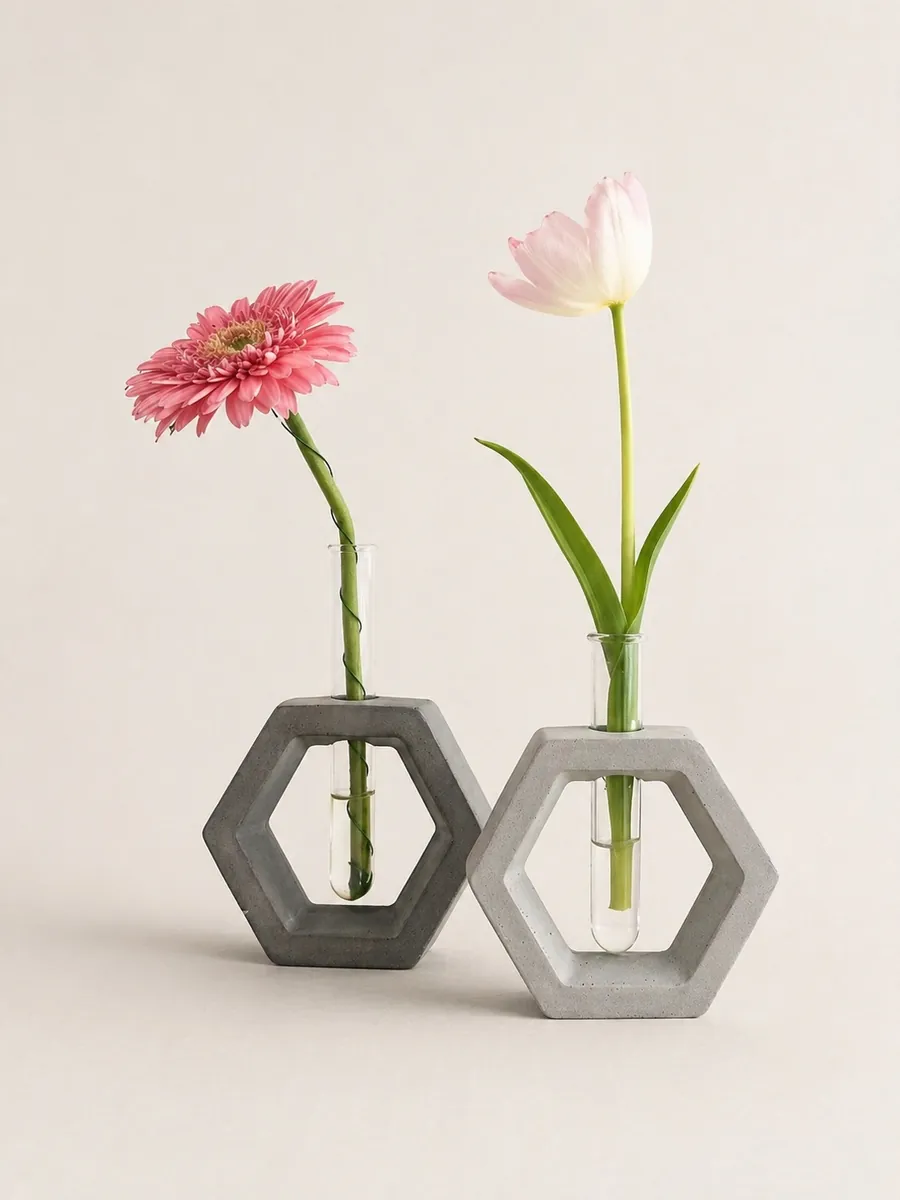
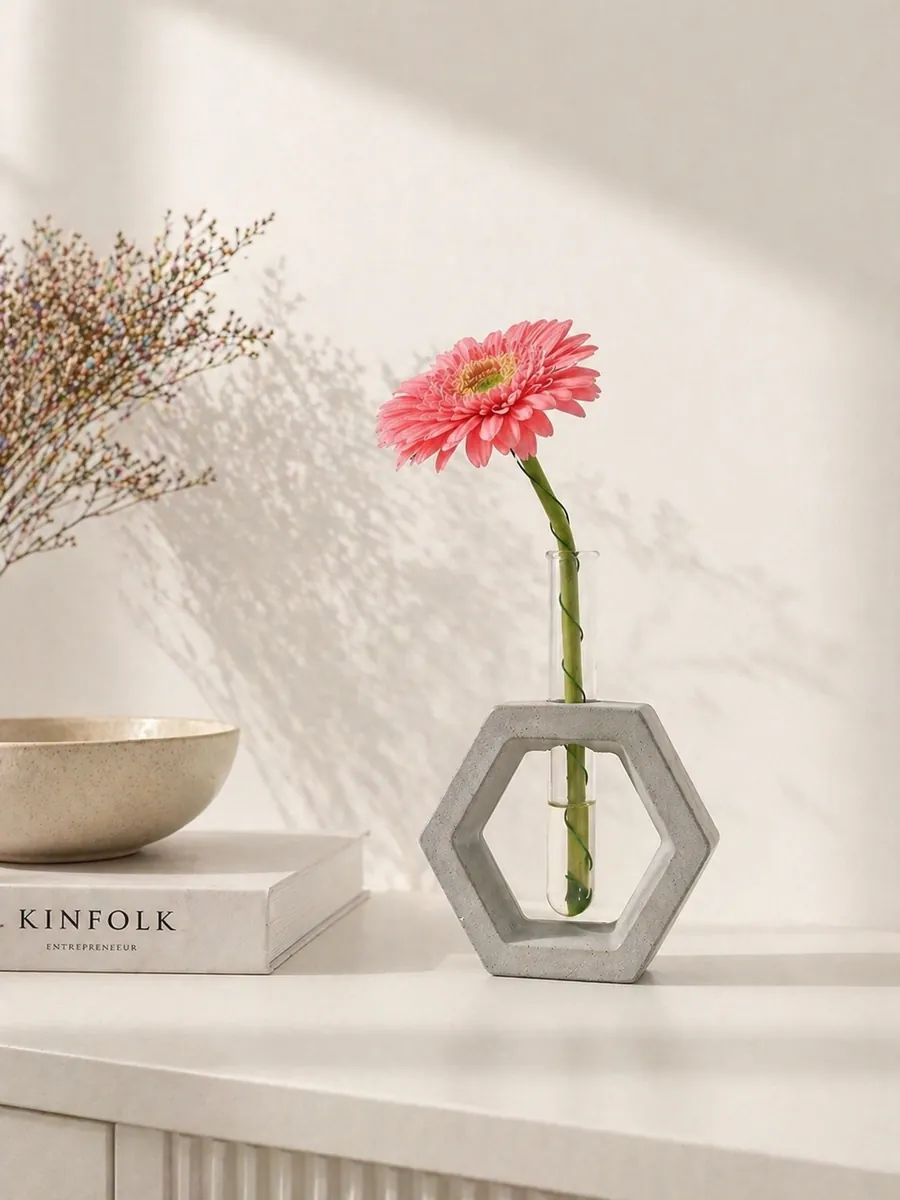
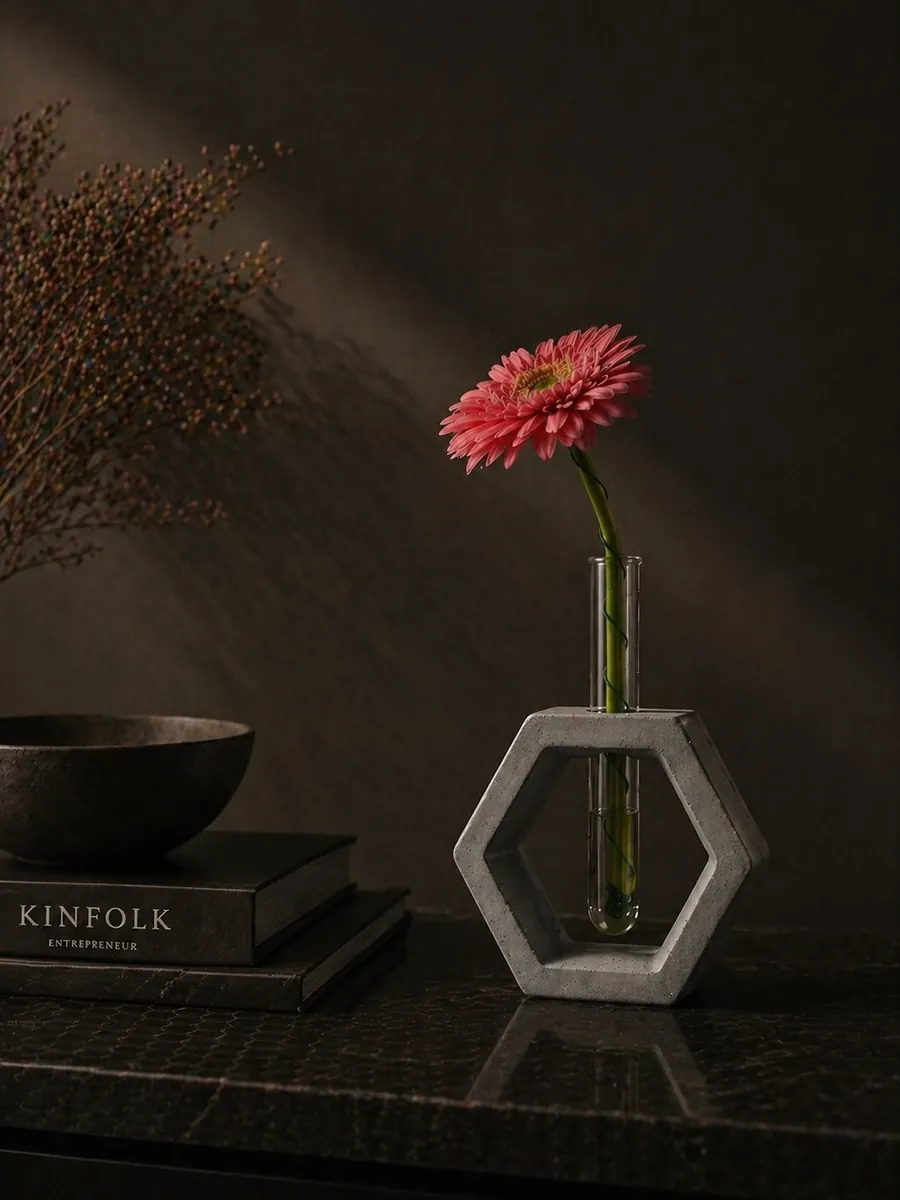
Hexagon Vase
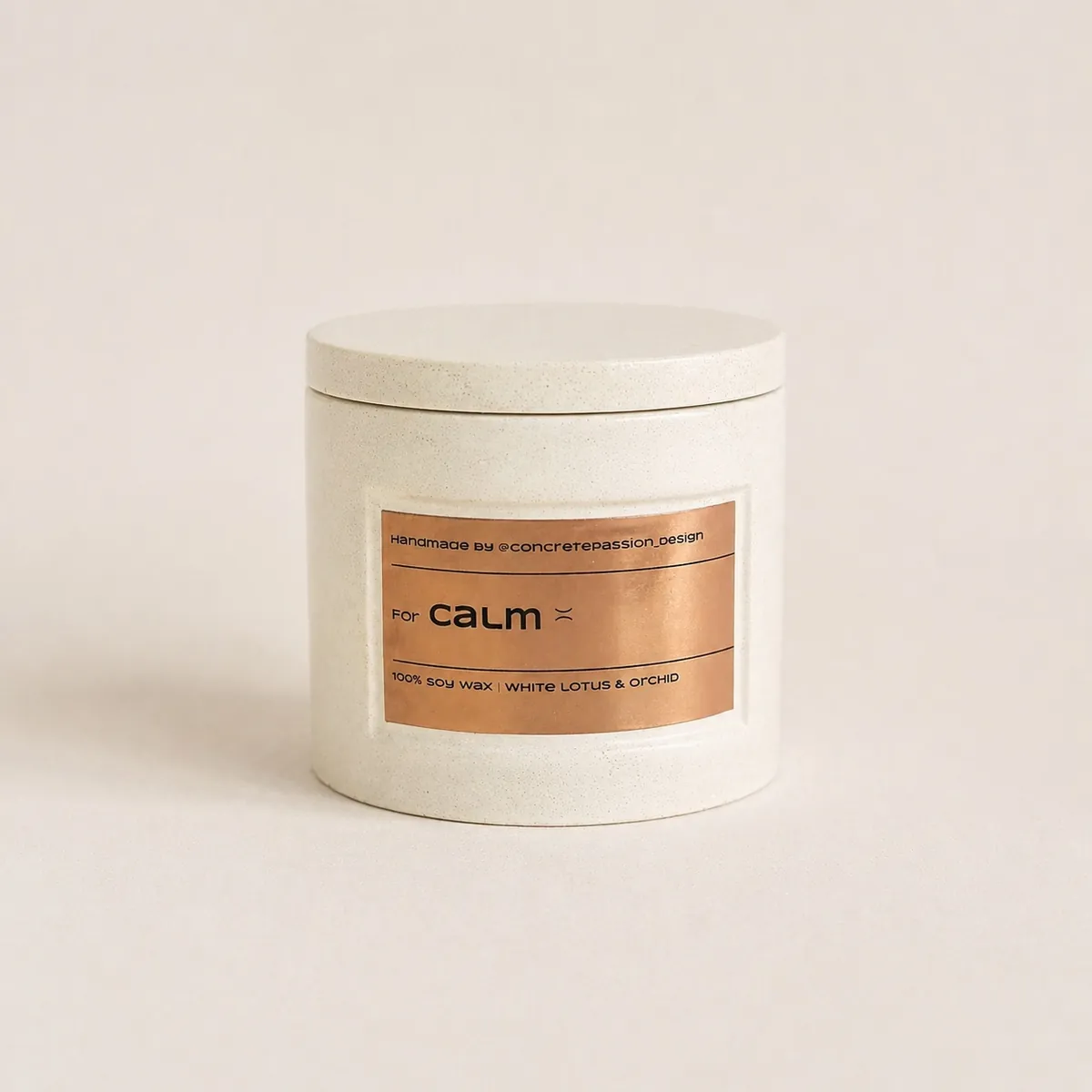
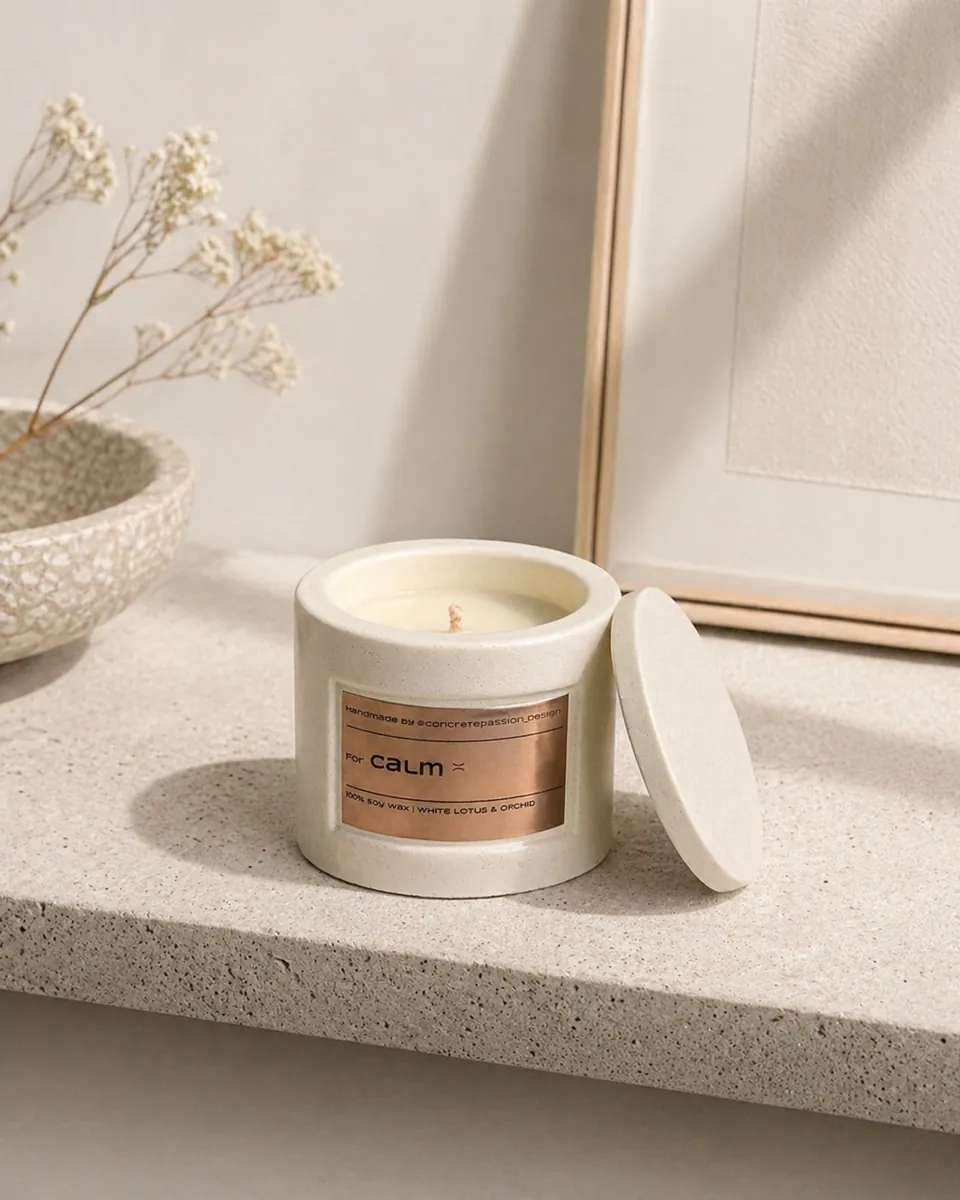
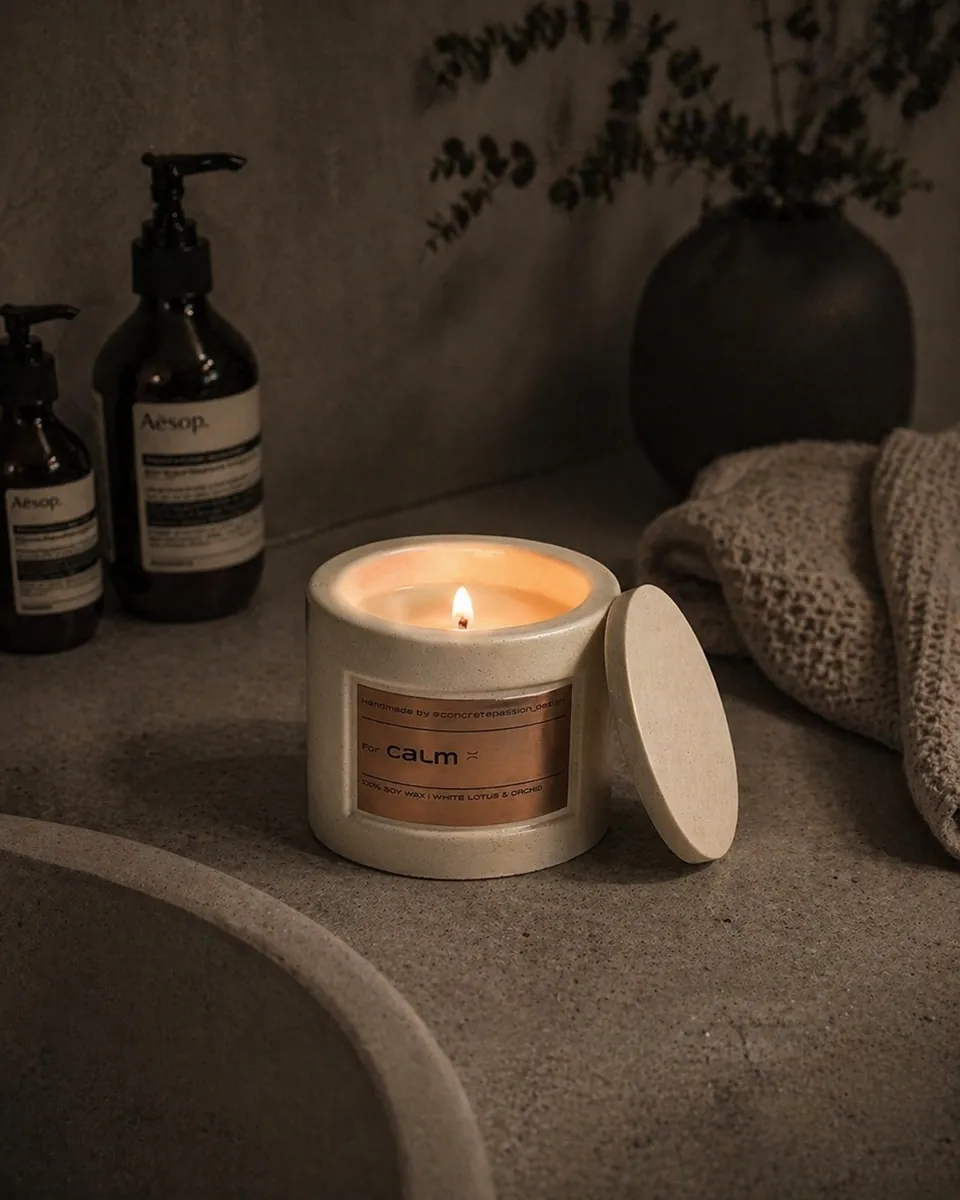
Jar Candle
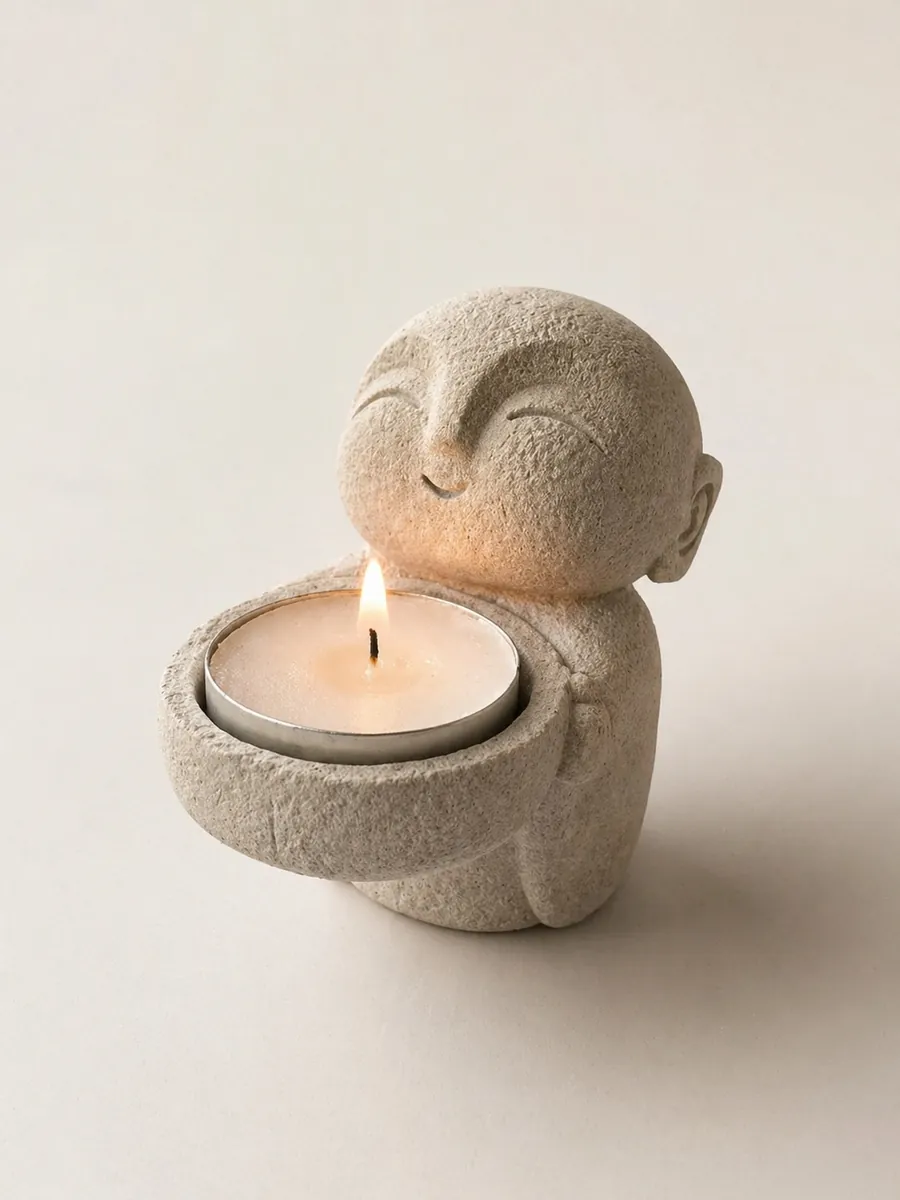
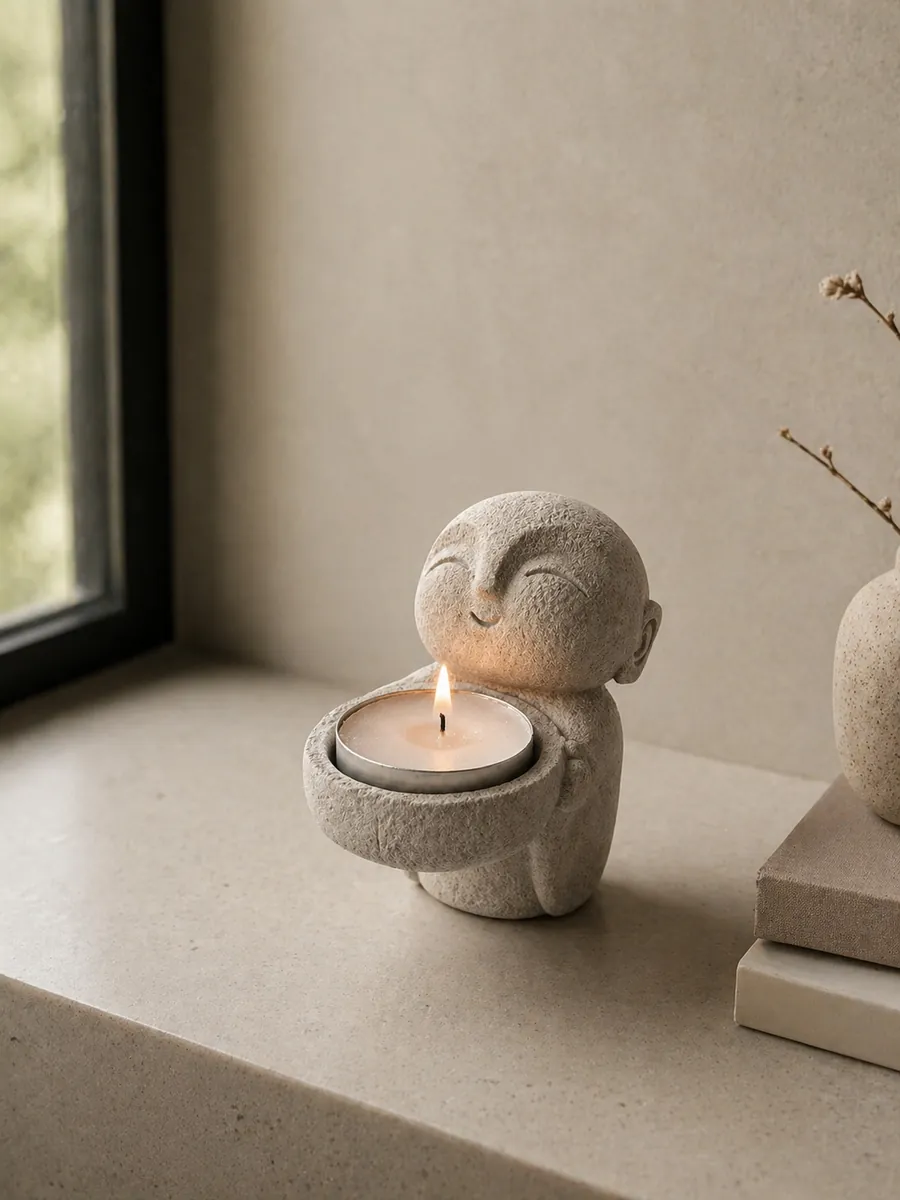
Smiling Buddha Candle